
When you’re trying to make improvements to your health, some changes take longer than others to show results. Quickly building muscle is a common goal — and it can be done. If you combine the right tools and training methods, we can help you optimise the impact of your workouts and see gains as quickly as possible, even when you don't have access to a gym.
Jump to:
How fast can you build muscle?
The answer to how fast you can build muscle depends on many factors — but under the right conditions, you can build around 1kg (2 lbs) of muscle per month, or roughly 0.25kg per week. This assumes you’re eating well and following a consistent exercise plan.
Men typically build muscle quicker than women, and age plays a factor too. If you are new to a muscle-building regimen, your initial gains might be higher (often called "beginner gains"), whereas if you are an experienced athlete at peak fitness, making further gains becomes more challenging.
Any time you start a new fitness routine or change up your workouts, your body must respond to the new stimulus — so you see results more quickly at the beginning. If you’ve taken a long break but used to be active with strength training, muscle memory can help you see fast results again. Over time, the rate of muscle growth naturally slows down as your body adapts to a higher baseline level of fitness.
10 Steps To Build Muscle Fast
1. Lift the right weight
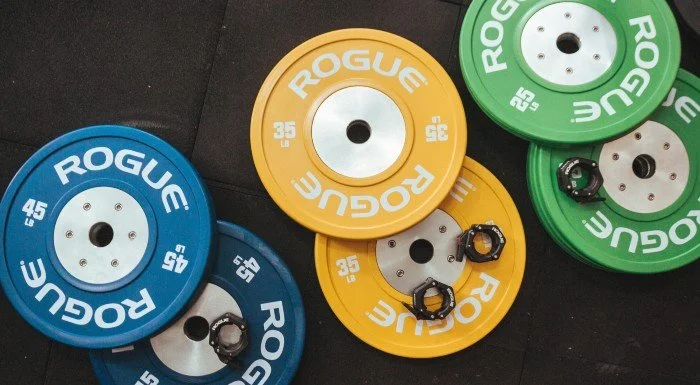
We know that lifting weights is the key to building muscle, but you don’t have to hit a personal best (PB) every single session. Find weights that challenge you to complete the final few reps of each set, but aren't so heavy that you compromise form, risk injury, or give up before hitting your targeted rep count.
2. Work hard enough
You might be asking, “How do I know if I’m working hard enough?”
To build muscle, we have to force our muscle tissue into a state of hypertrophy. This is achieved by creating microscopic tears in the muscle fibres that heal and rebuild stronger. If you’ve ever experienced DOMS (delayed onset muscle soreness), that’s a clear indicator that your session stimulated hypertrophy. If you barely break a sweat during your lift or never increase your weight over time, it’s time to reconsider how much load you’re using.
3. Eat enough calories
Once you achieve hypertrophy, the next step is helping your body repair and grow new tissue. This requires sufficient energy and nutrients to fuel the recovery process.
If you’re trying to cut fat while building muscle, balancing your intake can be tricky. To gain mass without excessive fat gain, start with a modest caloric surplus of between 250-500 calories per day, adjusted based on your activity levels and specific goals.

4. Get enough protein
The quality of your calories is just as vital as the overall amount. Protein is the foundational macronutrient for muscle tissue, supplying essential amino acids required to repair damage and build new muscle mass.
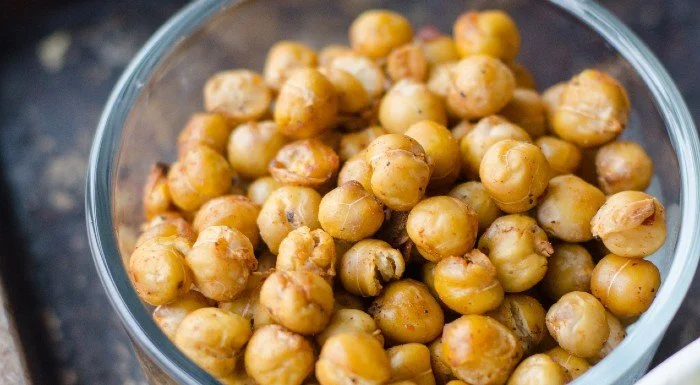
Whether you source your protein from whole foods like chickpeas and chicken, or rely on convenient supplements like whey protein shakes, aim for at least 1.2–2.2 grams of protein per kilogram of body weight daily. Need help choosing the right option for your diet?
5. Drink enough water
As muscle tissue grows, it stores both water and glycogen, which your body taps into for energy during your next workout session.
Proper hydration does more than replace sweat lost during training — it accelerates the removal of waste from the body, delivers key nutrients to tissues, and reduces muscle soreness so you can recover and return to training sooner.

6. Get enough sleep
Work hard, then recover, recover, recover.
Sleep is a critical yet frequently overlooked component of the muscle-building process. Key anabolic hormones responsible for tissue recovery and growth — such as human growth hormone (HGH) — peak while you sleep. High-quality deep sleep allows muscle tissues to fully relax and gain maximum recovery benefits.
Individuals who are chronically sleep-deprived struggle significantly more to gain and maintain lean muscle. Aim for 7–9 hours of sleep each night.

7. Vary your training
If you never feel sore or challenged after a workout — even when lifting heavy — your body has likely adapted to your current routine.
If you usually train exclusively with dumbbells, switch over to a barbell. If your gym has resistance machines, integrate them a couple of times per week. Continuously challenging your body with new stimuli forces adaptation and triggers further growth.

8. Incorporate HIIT
HIIT (high-intensity interval training) is an exceptional method for burning fat and driving metabolic rate. Unlike long, steady-state cardio sessions, HIIT bursts promote muscle retention and are too short in duration to degrade muscle tissue for fuel.
HIIT is ideal when you’re short on time, utilising brief maximal-effort intervals interspersed with active recovery periods.
Try running, cycling, or swimming at maximum effort using a 1:1 work-to-rest ratio for 20 minutes.

9. Optimise your supplement stack
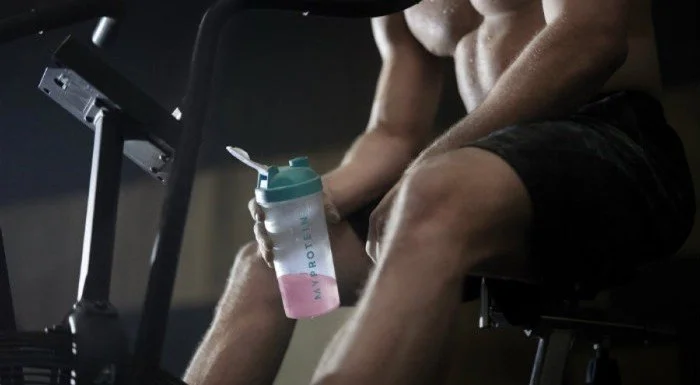
Protein shakes are a core staple for gaining muscle, but targeted supplements can fill in additional nutrient gaps in your everyday diet.
Creatine monohydrate is one of the most thoroughly researched supplements proven to enhance physical performance and support muscle growth. It can easily be added to your post-workout shake.
If you take a pre-workout formula, consider one that includes BCAAs (branched-chain amino acids) to help prime your muscles for intra-workout recovery.
10. Always be setting higher goals
To keep building muscle efficiently over time, you must consistently challenge your body and push your limits (safely, of course).
If you have been using the same weight or performing the exact same sets and reps for months, it's time to apply progressive overload. Upping your working weight by even a small amount can yield significant growth over time.
Alternatively, try shifting to higher rep ranges with slightly lighter weights to see how your muscle fibres respond to a different stressor.

How To Build Muscle at Home
When limited to working out at home or without gym access, you simply need to get creative with your routine. Here are effective ways to stimulate muscle growth at home:

1. Bodyweight training
It is entirely possible to build muscle using only your own body weight. Even with zero equipment, calisthenic exercises allow you to build functional strength and muscle. Try these key bodyweight exercises, focusing on slowing down the tempo and increasing your rep volume.
2. Resistance bands
Compact and versatile, lightweight resistance bands take up minimal space and add constant tension across various movements. They are ideal for home workouts or travelling when gym access is limited.
3. Adjustable dumbbells
If you have space for one set of dumbbells, select an adjustable pair. They save significant storage space while allowing you to easily adjust resistance levels for different muscle groups.
4. Get creative with household items
Look around for heavy items at home. Fill a backpack with books or household items to wear during push-ups or squats, use full water jugs as improvised weights, or use a sturdy chair or bench to elevate your feet and alter exercise angles.
Take Home Message
Building muscle quickly comes down to establishing a structured plan and staying consistent. While the pace of muscle gain naturally slows over time as you become more advanced, implementing these training, nutritional, and recovery guidelines will ensure you continue making steady progress — whether training at home or in the gym.

Claire is a Registered Dietitian through the Academy of Nutrition and Dietetics and a board-certified Health and Wellness Coach through the International Consortium for Health and Wellness Coaching. She has a Bachelor of Science in Biology and a Master’s degree in Clinical Dietetics and Nutrition from the University of Pittsburgh.
Talking and writing about food and fitness is at the heart of Claire’s ethos as she loves to use her experience to help others meet their health and wellness goals.
Claire is also a certified indoor cycling instructor and loves the mental and physical boost she gets from regular runs and yoga classes. When she’s not keeping fit herself, she’s cheering on her hometown’s sports teams in Pittsburgh, or cooking for her family in the kitchen.
Find out more about Claire’s experience here.