Vegan Protein Powder
5 Results
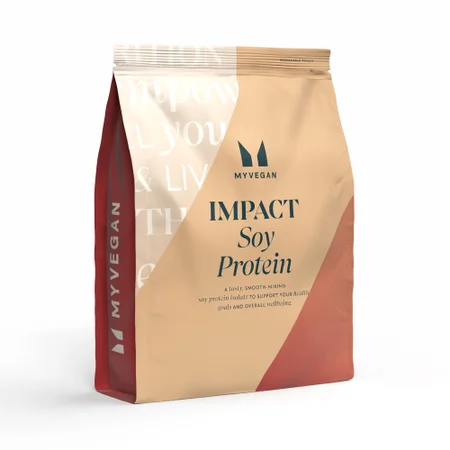
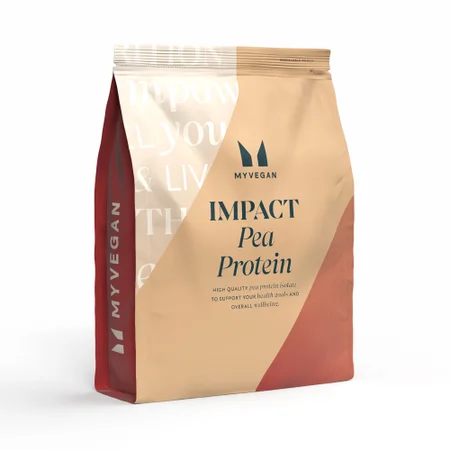
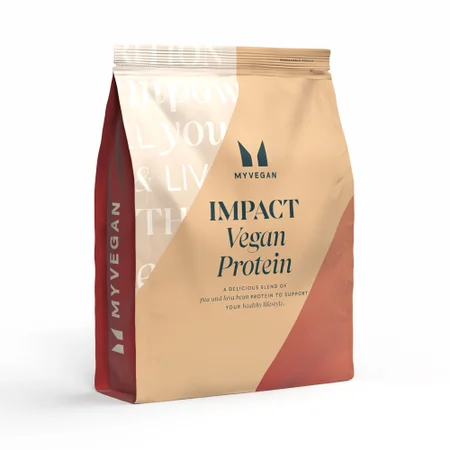
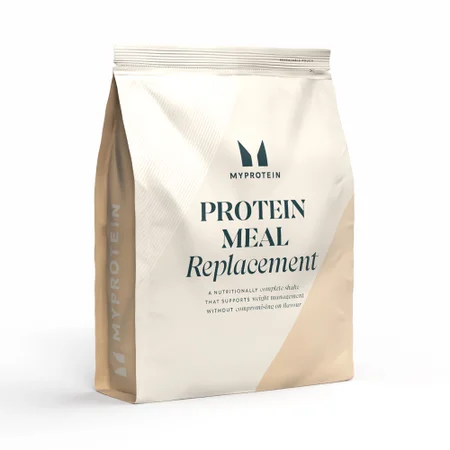
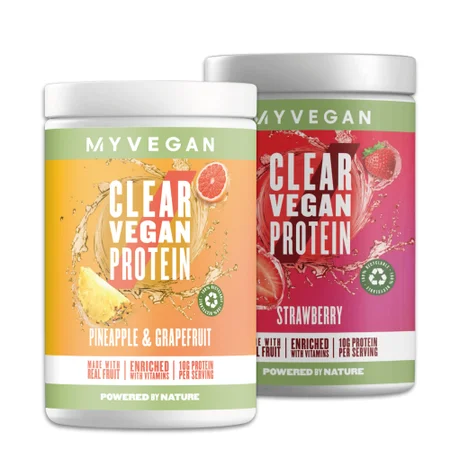
Shop Vegan Protein at Myprotein
Finding high-quality vegan protein powder that delivers on taste and nutritional content can transform your training routine. Whether you're fully plant-based or simply looking to diversify your protein sources, plant protein offers a complete alternative to dairy-based supplements.
From pea protein isolate to soy-based blends, vegan protein supplements come in various forms to suit different nutritional needs and flavour preferences. Each type brings its own amino acid profile, making it easy to find a dairy free protein powder that fits your goals.
Who Vegan Protein Powders Are For
Anyone following a plant-based diet knows the challenge of meeting daily protein requirements through food alone. Vegetarian protein powder bridges that gap, offering a concentrated source of plant protein that's easy to incorporate into smoothies, oats, or baking.
These supplements aren't just for vegans. Athletes looking to reduce dairy intake, people with lactose sensitivities, or anyone wanting to experiment with plant based protein powder will find these formulas deliver the same muscle-supporting benefits as traditional whey. They're designed for serious training, not compromise.
When to Use Vegan Protein
Post-workout is the most common time to take plant based protein, when your muscles are primed to utilise amino acids. Mix a serving with water or plant milk within an hour of finishing your session for a convenient protein hit.
Many people also use vegan protein supplements first thing in the morning to kickstart their daily intake, or between meals when whole food options aren't available. The powder format makes it simple to hit your protein targets consistently, whatever your schedule looks like.
Vegan Protein Benefits
Supports Muscle Development
Protein contributes to the growth and maintenance of muscle mass1, making plant protein powder an effective choice for anyone training regularly. Modern vegan protein blends combine different plant sources to deliver a complete amino acid profile that rivals animal-based options.
Easier on Digestion
Dairy free protein powder often sits lighter in the stomach than whey-based alternatives. Without lactose or casein, these formulas can be gentler on your digestive system whilst still delivering the protein content you need for your training goals.
Environmentally Conscious Choice
Choosing plant based protein powder typically has a lower environmental footprint than dairy-derived supplements. For those mindful of their nutritional choices beyond just performance, vegan protein offers a way to align training with broader values.
Versatile Formulations
From pea and rice combinations to soy isolates, vegan protein supplements come in various blends to suit different taste preferences and nutritional requirements. Whether you want a neutral base for smoothies or a flavoured shake, there's a plant protein option that works.
Popular Picks
Want a lighter option? Clear Protein Superblend goes beyond just protein, including essential vitamins, minerals and fibre. Substituting two daily meals of an energy restricted diet with meal replacements contributes to weight loss2.
FAQs
What is vegan protein powder?
Vegan protein powder is a supplement derived entirely from plant sources rather than dairy or animal products. Common sources include peas, soy, rice, hemp and combinations of these proteins to create complete amino acid profiles.
These powders provide the same muscle-supporting protein content as whey-based supplements but without any animal-derived ingredients, making them suitable for plant-based diets.
How does plant protein compare to whey protein?
Modern plant based protein powders deliver comparable protein content to whey, typically ranging from 20-27g per serving. The main difference lies in the source rather than the effectiveness for muscle support.
Whilst whey is rapidly absorbed, quality vegan protein blends combine different plant sources to ensure a complete amino acid profile. Many athletes use both types interchangeably depending on their dietary preferences and digestive comfort.
Which vegan protein powder should I choose?
Your choice depends on taste preference, dietary restrictions and protein goals. Soy protein isolate offers the highest protein content and most complete amino acid profile from a single source, whilst pea protein suits those avoiding soy.
Blended formulas combine multiple plant proteins for balanced nutrition and often taste smoother than single-source options. If you have specific allergen concerns, check the ingredients list carefully as formulations vary between products.
How much plant based protein should I take daily?
Protein requirements vary based on body weight, activity level and training goals. Most people doing regular resistance training aim for 1.6-2.2g of protein per kilogram of body weight daily from all sources combined.
Vegan protein supplements help you reach these targets when whole food sources aren't sufficient. A typical serving provides 20-27g protein, which you can use post-workout, between meals, or as part of your breakfast routine.
Can I use vegan protein powder for weight management?
Protein powders can form part of a calorie-controlled diet, though they're supplements rather than magic solutions. Protein contributes to the maintenance of muscle mass1, which is valuable when reducing overall calorie intake.
Some vegan protein products are specifically formulated as meal replacements with added vitamins and minerals. Substituting one daily meal of an energy restricted diet with a meal replacement contributes to the maintenance of weight after weight loss3.
Who develops Myprotein's vegan protein range?
Myprotein's expert nutritionists formulate these supplements, working to create plant-based proteins that match the quality and effectiveness of traditional dairy-based options. Each product undergoes rigorous testing for purity and amino acid content.
The team focuses on combining different plant sources strategically, ensuring you get complete nutrition whether you choose a single-source isolate or a multi-ingredient blend.
What's the difference between protein isolate and protein blend?
Protein isolate undergoes additional processing to remove most carbohydrates and fats, resulting in higher protein concentration per serving. A pea or soy isolate typically contains 85-90% protein by weight.
Protein blends combine multiple plant sources like pea, rice and hemp to create a more balanced amino acid profile. They generally have slightly lower protein percentages but offer broader nutritional benefits from the varied plant sources.
How do I mix vegan protein powder?
Add one scoop to 200-300ml of cold water or plant milk in a shaker bottle, then shake vigorously for 10-15 seconds. Plant proteins can be slightly grainier than whey, so thorough mixing helps achieve a smoother consistency.
You can also blend vegan protein supplements into smoothies with fruit, add them to porridge or oats, or use them in baking recipes. The neutral-flavoured options work particularly well when you want to add protein without altering the taste of your meal.
Are vegan protein supplements tested for quality?
Many Myprotein vegan protein products carry Informed Sport certification, meaning they're tested for banned substances and safe for professional athletes. This third-party testing provides assurance about what's actually in the product.
Check individual product pages for specific certifications. If you compete in tested sports or simply want guaranteed quality, look for the Informed Sport logo on the packaging.
Can I take vegan protein supplements if I'm not fully plant-based?
Absolutely. Dairy free protein powder works for anyone wanting to reduce dairy intake, try different protein sources, or find something gentler on their digestion. You don't need to follow a completely vegan diet to benefit from plant protein supplements.
Many athletes rotate between whey and plant-based options depending on how they feel, what they're training for, or simply for variety. The nutritional benefits for muscle support remain consistent regardless of your overall diet pattern.
1. Protein contributes to the growth and maintenance of muscle mass.
2. Substituting two daily meals of an energy restricted diet with meal replacements contributes to weight loss.
3. Substituting one daily meal of an energy restricted diet with a meal replacement contributes to the maintenance of weight after weight loss.