Nut Butters
Sorry, we couldn't find any results matching your search
Go shoppingShop our Nutrition Range by Categories
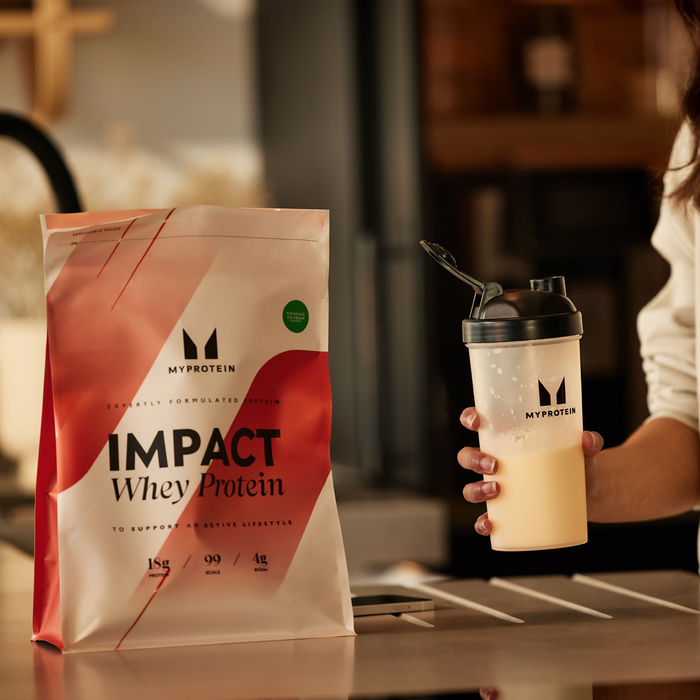
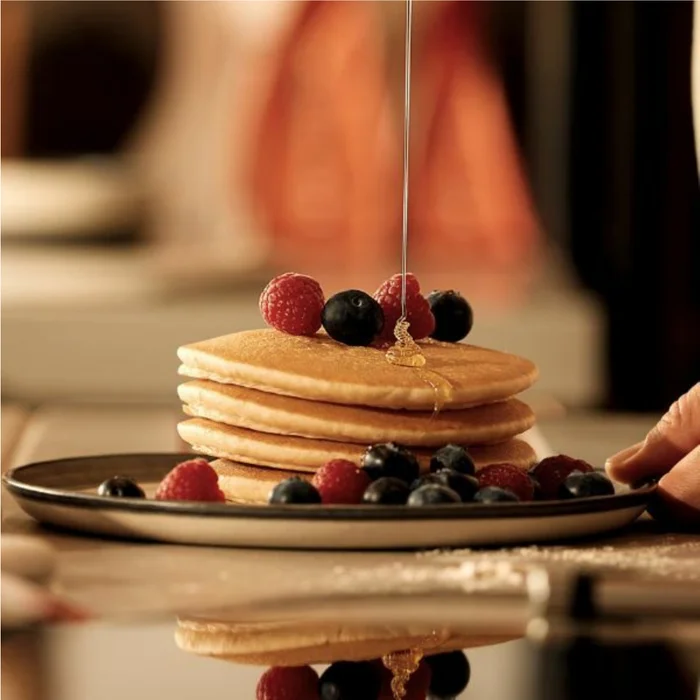
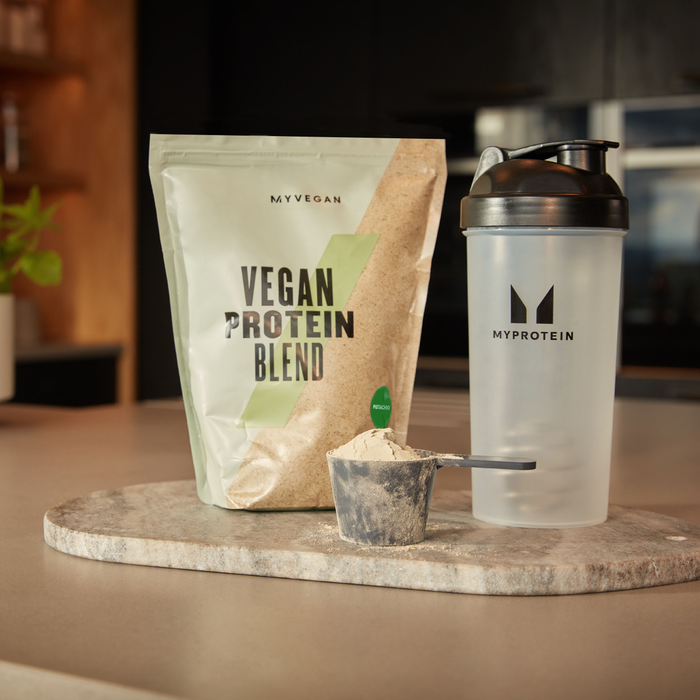

Shop Nut Butters at Myprotein
Nut butters are a versatile addition to any kitchen, offering a convenient way to enjoy the natural goodness of nuts in spreadable form. Made by grinding roasted or raw nuts into a smooth or crunchy paste, these spreads deliver healthy fats, plant-based protein, and essential nutrients in every spoonful.
Whether you're looking for classic peanut butter or want to explore almond, cashew, or mixed nut varieties, our range includes options to suit different tastes and dietary preferences. From all-natural versions with nothing added to protein-enhanced blends, you'll find nut butter spreads that fit seamlessly into your routine.
Who These Are For
Nut butters work well for anyone who wants a quick, nutrient-dense option that's easy to incorporate into meals and snacks. They're popular with gym-goers who need convenient sources of energy and protein, busy professionals grabbing breakfast on the go, and anyone looking to add more plant-based foods to their diet.
These spreads suit various eating patterns too. Whether you follow a vegan lifestyle, prefer natural ingredients, or simply enjoy the taste of nuts, there's a nut butter that fits. They're equally at home on toast, stirred into porridge, blended into smoothies, or eaten straight from the jar.
When to Use Nut Butters
The beauty of nut butters lies in their flexibility. Many people reach for them at breakfast, spreading peanut butter on toast or swirling almond butter through overnight oats. They're just as useful mid-morning or afternoon when you need something substantial between meals, paired with fruit, rice cakes, or celery sticks.
Pre-workout, a spoonful can provide sustained energy, whilst post-training, nut butter spread on a banana or mixed into a protein shake offers a tasty way to refuel. They're also handy for evening snacks when you want something satisfying without resorting to processed options.
Nut Butters Benefits
Natural Source of Healthy Fats
Nut butters contain predominantly unsaturated fats, the type found naturally in whole nuts. These fats make the spreads satisfying and help create that creamy texture that works so well in recipes and on toast alike.
Plant-Based Protein Content
Nuts naturally contain protein, and this carries through into nut butter form. A typical serving provides several grams of plant-based protein, making these spreads useful for those looking to vary their protein sources beyond animal products. Protein contributes to the growth and maintenance of muscle mass1.
Versatile and Convenient
From smoothie ingredients to baking additions, nut butters adapt to countless uses. They require no preparation, store well at room temperature, and travel easily, making them one of the most practical whole food options you can keep in your cupboard.
Minimal Processing Options Available
Natural nut butters contain just one or two ingredients – nuts and perhaps a touch of salt. Without added oils, sugars, or stabilisers, these versions stay close to the whole food they came from, offering straightforward nutrition in spreadable form.
Popular Picks
Looking for a classic option? Peanut Butter contains 100% peanuts with absolutely nothing else added. This version lets the natural flavour shine through whilst giving you complete control over what goes into your body.
FAQs
What exactly are nut butters?
Nut butters are spreads made by grinding nuts into a smooth or textured paste. The process breaks down the nuts' cell walls, releasing their natural oils to create a creamy consistency. Most versions contain just roasted or raw nuts, though some include salt or oil for texture and flavour.
How do natural nut butters differ from regular versions?
Natural nut butters typically contain only nuts, and sometimes salt. Regular versions often include added oils (like palm or rapeseed), sugar, and stabilisers to prevent oil separation and extend shelf life.
With natural varieties, you'll notice the oil rises to the top when the jar sits unopened – this is completely normal and simply requires a quick stir. The trade-off is a product that's closer to whole nuts in nutritional terms.
Which nut butter should I choose?
Peanut butter remains the most popular choice for its familiar taste and lower price point. Almond butter offers a slightly sweeter, milder flavour, whilst cashew butter tends to be naturally creamier.
Consider what you'll use it for. Peanut butter works brilliantly in savoury dishes and baking. Almond butter pairs well with fruit and sweeter recipes. If you want minimal ingredients, look for all-natural versions. If you prefer a consistent texture without stirring, standard versions with added oils might suit you better.
How can I use nut butter spread beyond toast?
Stir a tablespoon into your morning porridge or overnight oats for added richness. Blend it into smoothies for a creamier texture and extra substance. Use it as a dip for apple slices, celery sticks, or rice cakes.
In cooking, nut butters work well in sauces (particularly peanut butter in Asian-style dishes), energy balls, protein bars, and baking. You can even swirl them through yoghurt or use them to make quick no-bake desserts.
Do nut butters need refrigerating?
Most nut butters can be stored at room temperature in a cool, dark cupboard, though natural versions without preservatives often benefit from refrigeration once opened to maintain freshness. Check the label for specific storage guidance.
Refrigerated nut butter becomes firmer and less spreadable, so many people keep what they'll use within a week or two at room temperature and refrigerate the rest to extend shelf life.
How much nut butter counts as a serving?
A typical serving is around 1-2 tablespoons (15-30g). This amount provides a useful hit of nutrients without overdoing the calories, as nut butters are energy-dense due to their natural fat content.
That said, serving sizes aren't rigid rules. Some people use less when adding flavour to recipes, others have more when using nut butter as a substantial snack component. Let your overall diet and hunger guide you.
Can I buy nut butters online?
Yes, buying nut butters online gives you access to a wider range than most supermarkets stock. You'll find various nut types, natural versus standard options, different textures, and often better value when purchasing larger quantities.
Shopping online also makes it easier to compare ingredients lists and find exactly what you're looking for, whether that's a specific nut variety or a version with particular dietary requirements in mind.
Who developed these nut butter products?
Myprotein's expert nutritionists developed these nut butters to provide high-quality, great-tasting options that fit various dietary approaches. The range includes everything from all-natural versions to enhanced blends, all designed with both taste and nutritional value in mind.
What's the difference between smooth and crunchy nut butter?
Smooth nut butter is ground until completely uniform, creating a silky texture that spreads easily and blends seamlessly into recipes. Crunchy versions contain small pieces of chopped nuts mixed through the smooth base, adding texture and a more pronounced nut flavour.
The choice comes down to personal preference and intended use. Smooth works better in smoothies and sauces, whilst crunchy adds interesting texture to toast and provides more of that whole-nut eating experience.
Are nut butters suitable for different dietary approaches?
Natural nut butters fit well into most eating patterns. They're naturally vegan, dairy-free, and grain-free, making them suitable for plant-based diets, paleo approaches, and those avoiding specific allergens (though obviously not for nut allergies).
Because they're minimally processed whole foods with no added sugars in natural versions, they work with clean eating approaches too. Just check labels if you have specific requirements, as some versions may contain added ingredients.
1. Protein contributes to the growth and maintenance of muscle mass.