Milk & Casein Protein Powder
1
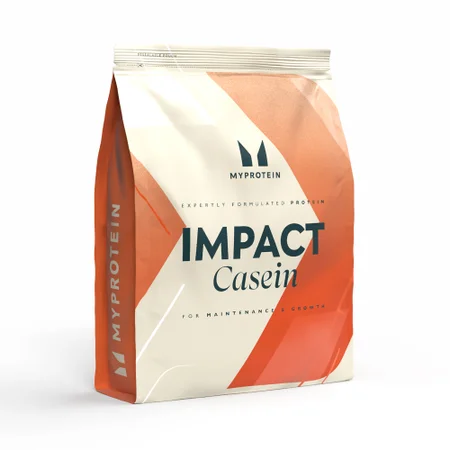
Shop Milk & Casein Protein Powder at Myprotein
Milk protein powder combines the two main proteins found naturally in dairy - whey and casein - giving you both fast and slow-release amino acids in one convenient shake. This makes it a versatile choice whether you're looking for post-workout nutrition or a protein source that keeps you going between meals.
Casein protein powder, on the other hand, focuses solely on the slow-digesting protein fraction. It forms a gel-like substance in the stomach, releasing amino acids gradually over several hours. Many people choose casein specifically for overnight recovery or as a filling option when they need sustained protein delivery.
Who These Are For
Milk and casein protein powders suit anyone who trains regularly and wants flexible protein options. Athletes often use whey protein immediately after training for quick absorption, then turn to casein or milk protein at other times of day. The combination approach works particularly well for people who train multiple times daily or have demanding schedules.
These proteins also appeal to people who prefer dairy-based options over plant proteins. If you're already consuming dairy products and want a protein powder that fits naturally into your nutrition plan, milk-based proteins deliver familiar nutrition in concentrated form. They mix easily into shakes, porridge, or baking recipes.
When to Use Milk & Casein Protein Powder
Casein protein powder works well before bed because of its slow release pattern. Taking it in the evening means amino acids become available throughout the night. Some people also use it between meals when they want something more substantial than a quick whey shake.
Milk protein powder offers more flexibility in timing. Since it contains both whey and casein, you can use it post-workout for immediate amino acid delivery while still getting the sustained release benefits. It fits at any point in your daily routine where you need quality protein without wanting to plan around specific absorption windows.
Milk & Casein Protein Powder Benefits
Sustained Amino Acid Release
Casein digests slowly compared to whey, releasing amino acids over several hours rather than in a quick burst. This extended delivery pattern makes it different from faster protein sources.
Complete Protein Source
Both milk protein and casein provide all nine essential amino acids your body can't make on its own. Protein contributes to the growth and maintenance of muscle mass1, making these powders useful additions to training nutrition.
High Protein Content Per Serving
Most casein and milk protein powders deliver 20-25g protein per scoop with relatively low fat and carbohydrate content. This concentrated protein format helps you meet daily targets without excess calories from other macronutrients.
Versatile Usage Options
These powders mix into cold or warm liquids, blend into smoothies, or work in recipes from protein pancakes to homemade protein bars. The neutral dairy flavour complements both sweet and savoury applications.
Popular Picks
Looking for fast-absorbing whey? Impact Whey Protein provides the gradual amino acid release that makes casein ideal before bed. Mix it in the evening for sustained protein delivery through the night.
FAQs
What's the difference between whey protein and casein protein?
Whey protein absorbs quickly, typically within 1-2 hours, making it popular immediately after training. Casein digests slowly, releasing amino acids over several hours, which is why many people take it before bed or between meals when they want extended delivery.
What is milk protein powder?
Milk protein powder contains both whey and casein in roughly the same ratio they appear in cow's milk - about 80% casein and 20% whey. This combination gives you fast and slow-release proteins together, offering more flexibility in when you use it compared to isolated whey or casein alone.
How do I choose between milk protein powder and casein protein powder?
Choose pure casein if you specifically want slow-release protein, typically for overnight use or long gaps between meals. Milk protein powder works better if you want a single protein that covers multiple timing scenarios throughout the day, since it contains both fast and slow-digesting proteins.
When should I take casein protein powder?
Most people take casein before bed to provide amino acids during sleep, or during extended periods without food when they want sustained protein delivery. Some also use it as a thicker, more filling shake between meals compared to faster-absorbing options.
Can I use milk protein powder after workouts?
Yes, milk protein works post-workout because it contains whey for immediate amino acid availability. You'll also get the casein component for extended release, though some people prefer pure whey immediately after training and save milk protein or casein for other times of day.
Who developed Myprotein's milk and casein protein powders?
Myprotein's expert nutritionists developed these formulations to provide high-quality dairy protein options across different digestion rates. The products undergo regular testing to ensure they meet the protein content stated on the label.
Do these protein powders have any quality certifications?
Selected Myprotein protein products carry Informed Sport certification, which means they've been tested for banned substances. Check individual product pages for specific accreditation details if you compete in tested sports or require third-party verification.
How much protein do I need daily?
General recommendations suggest 1.6-2.2g protein per kilogram of body weight for people training regularly. A 75kg person training several times weekly might target 120-165g daily. Milk and casein protein powders help you reach these targets alongside whole food protein sources.
Can I mix casein protein powder with other supplements?
Casein mixes well with creatine, vitamins, or other powdered supplements in the same shake. Some people combine it with faster proteins like whey to create a custom blend with different absorption rates, though milk protein powder already provides this combination naturally.
What's the best way to prepare casein protein powder?
Casein thickens more than whey, so use slightly more liquid - around 300-400ml per scoop - and shake vigorously or blend it. Adding it to porridge, yoghurt, or smoothies works well since the thicker texture complements these foods rather than creating an overly thick shake.
1. Protein contributes to the growth and maintenance of muscle mass.