Protein Bars
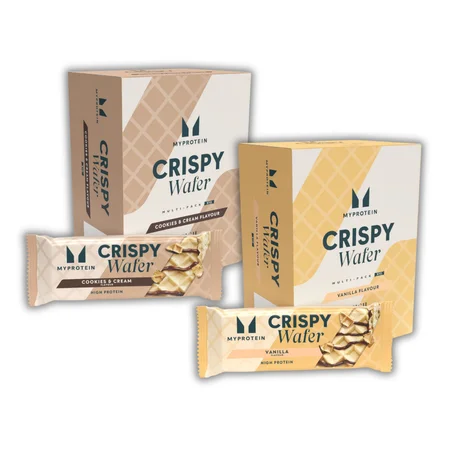
Shop Protein Bars at Myprotein
Protein bars are a convenient way to get quality nutrition when you're on the go. Each bar delivers a combination of protein, carbohydrates, and other nutrients in a portable format that fits easily into your bag or desk drawer.
Our range includes layered bars, flapjacks, wafers, and rolled options, each designed to provide a substantial protein hit without the need for shakers or prep time. Whether you prefer crunchy textures or soft, chewy centres, there's a format to suit your taste.
Who Should Try These
High protein bars work well for anyone who needs a quick protein source between meals or after training. Gym-goers often keep a few in their kit bag for post-session convenience, while busy professionals use them as a practical alternative to meal prep when time is tight.
These bars are particularly useful if you struggle to meet your daily protein targets through whole foods alone. They're designed to be eaten on the move, making them a practical choice for shift workers, students, or anyone with an active schedule who can't always sit down for a proper meal.
When to Use Protein Bars
Many people eat a protein bar immediately after training as a quick protein source while they're away from the kitchen. Others use them as a mid-morning or mid-afternoon snack to bridge the gap between main meals, particularly on days when hunger strikes and convenience matters.
Protein snack bars also work well as part of your pre-packed nutrition for long journeys, outdoor activities, or busy workdays. Unlike shakes, they don't require refrigeration or mixing, which makes them reliable when you're travelling or don't have access to usual facilities.
Protein Bars Benefits
Convenient Protein Delivery
Protein contributes to the growth and maintenance of muscle mass1, and bars provide this macronutrient in a ready-to-eat format. There's no measuring, mixing, or preparation involved—just unwrap and consume when you need it.
Portable Nutrition
Unlike meal prep containers or protein shakers, bars slip into any pocket or bag without risk of spillage. They don't need refrigeration and won't spoil if left at room temperature, making them genuinely practical for unpredictable schedules or travel days.
Variety of Formats
From crunchy protein wafers to soft-baked flapjacks, our range includes different textures and flavour profiles. This variety means you can choose based on personal preference rather than settling for a single style you may not enjoy.
Controlled Portions
Each bar provides a pre-measured amount of protein and calories, which takes the guesswork out of tracking your daily intake. If you're following a structured nutrition plan, knowing exactly what you're consuming makes logging and planning much more straightforward.
Popular Picks
Want something sweet and savoury? Layered Protein Bar - Peanut Pretzel lets you choose two different flavours in one order, giving you variety without committing to a full box of a single option.
FAQs
What exactly are protein bars?
Protein bars are solid, ready-to-eat snacks formulated to deliver a higher protein content than typical confectionery or cereal bars. They contain protein from sources like whey, milk protein, or soy, combined with carbohydrates, fats, and often added vitamins or minerals.
The texture and format vary widely—some are chewy and soft like flapjacks, others are crunchy with wafer layers, and many feature chocolate or yoghurt coatings. The primary purpose is to provide convenient, portable nutrition when preparing a meal or shake isn't practical.
How do high protein bars differ from regular snack bars?
High protein bars are specifically formulated to contain significantly more protein per serving than standard cereal or granola bars. Where a typical snack bar might offer 2-3g of protein, a high protein bar usually delivers 15-25g, with protein as the dominant macronutrient rather than carbohydrates.
The ingredient profile also differs—protein bars use concentrated protein sources like whey protein isolate or milk protein concentrate, whereas regular snack bars rely primarily on oats, grains, or nuts for their nutrient content.
When's the best time to eat a protein bar?
Many people consume a protein bar within an hour after training as a quick protein source while they're away from home. Others eat them between main meals—mid-morning or mid-afternoon—to add extra protein to their daily intake when hunger strikes and convenience matters.
There's no universally ”best” time. It depends on your schedule, total daily protein target, and when you find it most practical to eat solid food rather than prepare a shake or meal.
How do I choose the right protein bar for my goals?
Start by checking the protein content per bar—if you're looking to maximise protein intake, choose options with at least 20g per serving. Then consider the calorie and carbohydrate content: higher-calorie bars suit those needing extra energy, while lower-calorie versions work better if you're tracking overall intake carefully.
Texture and flavour matter more than many people admit. If you don't enjoy the taste or find the texture unpleasant, you won't consistently eat them. Try a few different formats—wafers, flapjacks, layered bars—to find what you actually look forward to eating.
Can protein bars replace meals?
Protein bars can substitute for a meal in situations where eating proper food isn't possible—travelling, back-to-back meetings, or emergency situations. However, they're designed as supplements to your diet rather than wholesale meal replacements.
Whole food meals provide a broader range of nutrients, fibre, and satiety than any bar can deliver. Use protein snack bars tactically when circumstances demand it, but don't rely on them as your primary nutrition source day after day.
Do protein wafers taste different to standard protein bars?
Protein wafers have a light, crispy texture created by thin, layered wafer sheets separated by protein-enriched cream filling. This creates a distinctly crunchy eating experience that's quite different from the dense, chewy texture of most standard protein bars.
Some people find wafers easier to eat quickly and less heavy on the stomach, particularly after training. The lighter texture doesn't necessarily mean lower protein content—many wafers still deliver 15-20g of protein per serving.
How should I store protein bars to keep them fresh?
Store protein bars in a cool, dry place away from direct sunlight. Most bars remain stable at room temperature, but chocolate-coated varieties can soften or melt if kept somewhere too warm. If you live in a hot climate, consider refrigerating them to maintain texture.
Check the best-before date when you receive them and rotate your stock if you buy in bulk. Bars kept beyond their date may develop an off taste or change texture, even if they're technically safe to consume.
Who developed Myprotein's protein bar range?
Myprotein's expert nutritionists and product development team created the protein bar range, working to balance macronutrient profiles with taste and texture. Each product undergoes testing to ensure it meets the stated nutritional values and quality standards before reaching customers.
What's the difference between protein flapjacks and protein bars?
Protein flapjacks use oats as a base ingredient, giving them a softer, chewier texture similar to traditional baked flapjacks. They typically feel more substantial and cake-like compared to denser protein bars, and often have a less processed taste because of the whole grain content.
Standard protein bars may use protein crisps, layers, or coatings to create structure, resulting in a firmer, more compact texture. Neither format is inherently better—it's purely a matter of personal preference and whether you prefer an oat-based or protein-concentrate-based snack.
Can I buy protein bars in bulk?
Yes, most of our protein bars are available in multi-pack boxes containing 12 or more individual bars. Buying in bulk typically works out more economical per bar and ensures you don't run out when you need them most.
If you're unsure which flavour or format you'll prefer, start with smaller quantities or variety packs before committing to a full box. Once you've found your preferred option, bulk purchases make practical sense.
1. Protein contributes to a growth in muscle mass.
1. Protein contributes to the maintenance of muscle mass.