High Protein Foods
4 Results
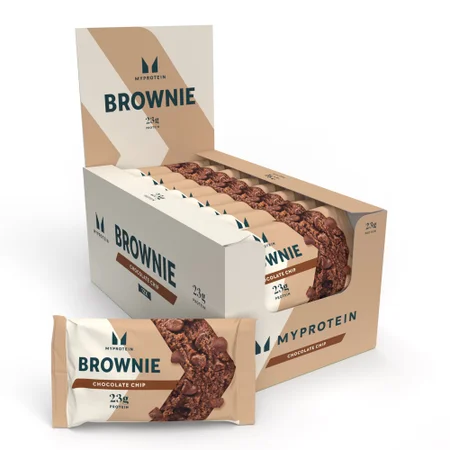
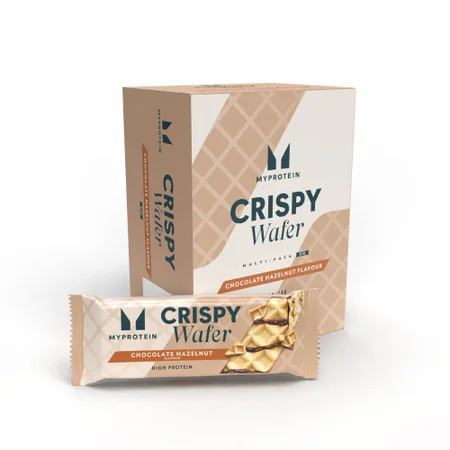
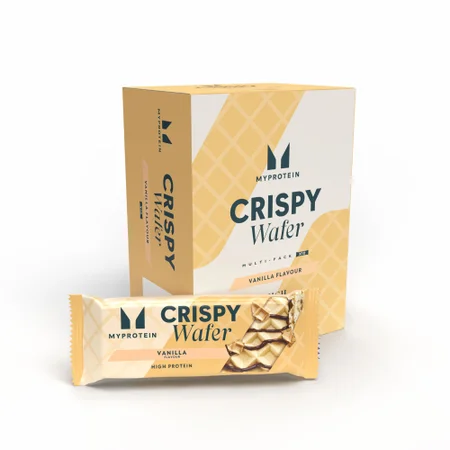
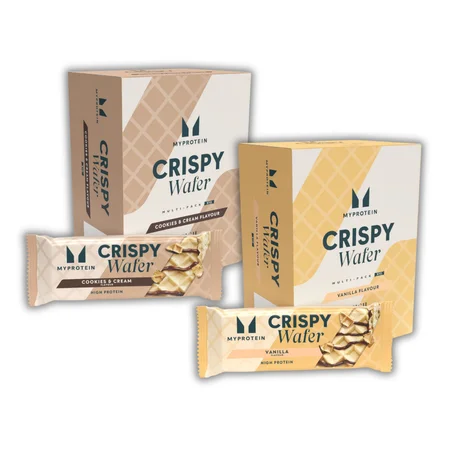
Shop High Protein Foods at Myprotein
High protein foods make hitting your daily protein targets simple and convenient. From protein brownies and cookies to savoury snacks and ready-to-eat meals, these products fit seamlessly into busy lifestyles without compromising on taste or nutrition.
Each product delivers quality protein in formats designed for real-world eating. Whether you need a post-workout snack, a desk-friendly lunch option, or something to satisfy sweet cravings whilst supporting your goals, protein-enriched foods offer practical solutions that work around your schedule.
Who These Are For
High protein snacks suit anyone looking to increase their protein intake through convenient, ready-to-eat formats. They're particularly useful for those with demanding schedules who need portable nutrition options that don't require preparation or refrigeration.
Athletes, gym-goers, and active individuals often use protein foods to bridge gaps between meals or as post-training nutrition. They're equally valuable for anyone managing their macros, following higher-protein eating patterns, or simply wanting more protein-rich options throughout the day.
When to Use Protein Foods
Protein snacks work well between meals when you need a convenient protein source without full meal preparation. Many people keep them in gym bags, desk drawers, or cars for situations where fresh food isn't accessible but protein intake remains important.
They're particularly useful post-workout when you want protein quickly, as part of breakfast to increase morning protein intake, or as evening snacks. Some protein foods like ready meals serve as complete meal replacements during particularly busy periods when cooking isn't practical.
Protein Foods Benefits
Convenient Protein Delivery
Protein-enriched foods provide significant protein doses in familiar, enjoyable formats. Unlike traditional supplements that require mixing or preparation, these products are ready immediately, making consistent protein intake achievable even during hectic days.
Supports Muscle Maintenance
Protein contributes to the maintenance of muscle mass1, making protein foods a practical way to support this function throughout the day. Regular protein distribution across meals and snacks helps maintain steady amino acid availability.
Variety and Flexibility
From sweet protein brownies and cookies to savoury protein chips and ready meals, these foods offer diverse options that prevent dietary monotony. This variety makes maintaining higher protein intakes more sustainable long-term compared to relying solely on traditional protein sources.
Portion-Controlled Nutrition
Pre-packaged protein foods provide clear nutritional information per serving, simplifying macro tracking and meal planning. Each product delivers a known protein quantity, removing guesswork from daily intake calculations.
Popular Picks
Looking for indulgence without compromise? Protein Brownie - Chocolate Chip - These soft-baked cookies contain 13g of protein each and come in various flavours. They offer the familiar cookie experience whilst contributing meaningfully to daily protein intake.
FAQs
What are high protein foods?
High protein foods are products specifically formulated to contain elevated protein levels compared to their conventional equivalents. These include protein-enriched versions of familiar foods like brownies, cookies, wafers, chips, and ready meals, designed to make increasing protein intake more convenient and enjoyable.
Unlike traditional high-protein sources like chicken or fish, these products require no preparation and offer longer shelf life, making them practical for busy lifestyles whilst maintaining substantial protein content per serving.
How do protein snacks compare to regular snacks?
Protein snacks typically contain 10-25g of protein per serving, significantly higher than conventional equivalents which often provide minimal protein. A regular chocolate brownie might contain 3-5g of protein, whilst a protein brownie delivers 20-23g.
The macronutrient profiles differ considerably, with protein foods generally featuring higher protein-to-calorie ratios. This makes them more suitable for those tracking macros or following higher-protein eating patterns.
Who developed these protein food products?
Myprotein's expert nutritionists developed these products, combining sports nutrition knowledge with food science to create protein-enriched versions of popular foods. Each product undergoes rigorous testing to ensure it delivers both nutritional value and genuine taste satisfaction.
The development process focuses on achieving authentic textures and flavours whilst incorporating meaningful protein doses, ensuring these aren't just ”protein-added” versions but genuinely enjoyable foods in their own right.
When should I eat protein foods during the day?
Protein foods work well whenever you need convenient protein. Many people consume them post-workout for immediate protein availability, between meals to increase daily protein distribution, or as evening snacks when traditional cooking isn't appealing.
Some use protein-enriched breakfast items like protein pancakes or spreads to front-load daily protein intake. Others keep protein bars or cookies accessible throughout the day for spontaneous protein top-ups when hunger strikes unexpectedly.
How much protein do these foods typically contain?
Protein content varies by product type and format. Protein brownies and cookies generally contain 13-23g per serving, whilst protein wafers and lighter snacks provide 10-15g. Ready meals and larger formats can deliver 25-35g or more per portion.
Each product displays clear nutritional information, allowing you to select options that align with your specific protein targets and remaining daily macro allowances.
Can protein foods replace protein powder supplements?
Protein foods offer an alternative protein delivery method rather than a direct replacement. Protein powders provide concentrated protein with minimal additional macros, whilst protein foods include carbohydrates and fats as part of complete food matrices.
Many people use both: protein powder for post-workout shakes or smoothies where quick absorption matters, and protein foods for satisfying snacks or meal replacements where the eating experience itself adds value beyond pure nutrition.
What's the difference between sweet and savoury protein snacks?
Sweet protein snacks like brownies, cookies, and wafers satisfy dessert cravings whilst contributing protein, making them suitable for those who struggle with traditional sweet treats when following macro targets. They're often chocolate-based or fruit-flavoured.
Savoury protein options include protein chips, crackers, and ready meals, providing alternatives for those who prefer non-sweet snacking or need balanced meals with elevated protein. Both categories achieve similar protein levels but cater to different taste preferences and eating occasions.
How should protein foods fit into a balanced diet?
Protein foods work best as components of varied nutrition rather than dietary foundations. They complement whole food protein sources like meat, fish, eggs, and legumes by filling gaps when those options aren't practical or available.
Use them strategically around training, during busy work periods, whilst travelling, or when you've tracked your day's intake and identified a protein shortfall. They're tools for meeting targets consistently, not replacements for diverse, whole-food eating patterns.
Are protein-enriched foods suitable for specific dietary patterns?
Many protein foods accommodate various dietary preferences. Vegetarian options use plant-based or dairy proteins, whilst some products cater to vegan requirements using exclusively plant sources. Product descriptions specify protein sources and suitability for different eating patterns.
Those following lower-carbohydrate approaches often find protein foods useful as they provide higher protein-to-carbohydrate ratios than conventional equivalents, though specific macros vary by product so checking nutritional panels remains important.
How long do protein foods stay fresh?
Most protein snacks and foods feature extended shelf life compared to fresh protein sources, typically remaining fresh for several months when stored properly. This makes them excellent pantry staples or gym bag essentials that won't spoil quickly.
Packaging displays best-before dates, and products generally maintain quality when kept in cool, dry conditions away from direct sunlight. This stability makes bulk purchasing practical for those who consume protein foods regularly.
1. Protein contributes to the maintenance of muscle mass.