Training Equipment
10 Results
Shop Training Equipment at Myprotein
Training equipment transforms your workout space into a performance hub. From lifting straps that secure your grip during heavy pulls to resistance bands that add variable load, the right gear helps you train smarter and push harder.
Quality weightlifting equipment supports proper form and progression. Knee sleeves provide compression during squats, lifting belts stabilise your core for max effort lifts, and hydration solutions keep you fuelled through intense sessions. Whether you're setting up a home gym or upgrading your training toolkit, the right accessories make every rep count.
Who Should Try These
Weightlifting accessories suit anyone serious about their training. Beginners benefit from supportive gear like wrist wraps and knee sleeves that promote proper movement patterns whilst learning compound lifts. Intermediate lifters use straps and belts to safely progress with heavier loads.
Advanced athletes rely on specialised weight lifting equipment to target weak points and maintain training volume. Resistance bands add accommodating resistance for explosive work, whilst hydration vests support endurance during conditioning sessions. From powerlifters maxing out to functional fitness enthusiasts tackling varied workouts, targeted weightlifting gear complements every training style.
When to Use Training Equipment
Deploy lifting equipment strategically throughout your session. Wrist wraps and knee sleeves work well during warm-ups to prime joints before heavy work, whilst lifting straps come into play during back and pulling movements when grip becomes the limiting factor. Belts are typically reserved for top-end sets of squats, deadlifts, and overhead presses.
Hydration gear matters most during longer sessions or high-intensity work. Keep shakers ready for intra-workout nutrition during extended training blocks, and use gallon hydrators to track fluid intake across the day. Resistance bands fit seamlessly into warm-ups, activation work, or as finishers to accumulate volume without crushing your joints.
Training Equipment Benefits
Enhanced Training Safety
Quality weight training equipment promotes proper form and reduces injury risk. Lifting belts increase intra-abdominal pressure for spinal stability during maximal lifts, whilst knee sleeves provide compression and proprioceptive feedback during squats and lunges. Wrist wraps keep joints aligned under heavy pressing loads.
Performance Support
Specialised weightlifting gear helps you train at your peak. Lifting straps eliminate grip failure during high-rep pulling work, allowing you to fully exhaust target muscles. Resistance bands create variable resistance that matches strength curves, whilst hydration solutions like shakers and gallon jugs ensure you stay fuelled throughout demanding sessions.
Versatile Training Options
Modern lifting equipment adapts to multiple training styles. Resistance bands travel easily for hotel workouts or outdoor sessions, knee sleeves work for everything from squats to runs, and hydration vests support both gym sessions and endurance work. This versatility means your weightlifting accessories earn their place across different phases and programming approaches.
Progression Tools
The right weight lifting equipment supports measurable advancement. Belts allow you to safely handle heavier loads as strength builds, straps let you focus on movement quality rather than grip endurance, and bands provide scalable resistance for rehab, warm-ups, or intensity techniques. These tools create pathways for consistent improvement.
Popular Picks
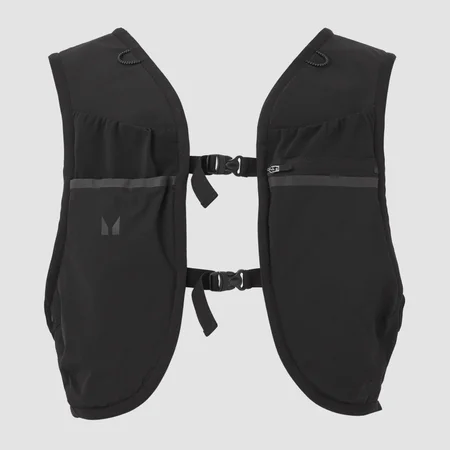
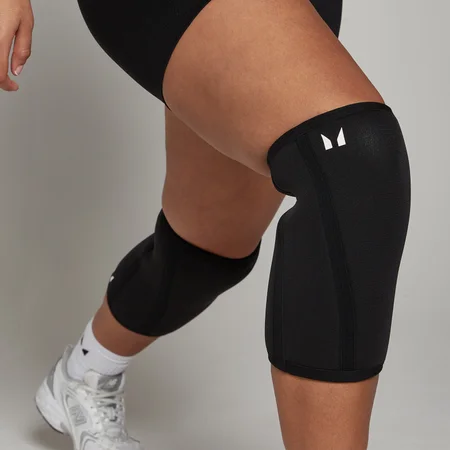
Need hands-free hydration during long runs or outdoor training? The MP Hydration Vest - Black provides compression and warmth without restricting movement. Wear them during warm-ups to prime the knees, then keep them on through working sets for consistent proprioceptive feedback.
FAQs
What exactly is training equipment?
Training equipment encompasses the weightlifting accessories and tools that support your workouts beyond basic weights and machines. This includes items like lifting straps, wrist wraps, knee sleeves, resistance bands, weight belts, and hydration gear. These pieces of lifting equipment serve specific purposes – straps secure your grip during heavy pulls, sleeves provide joint compression, bands add variable resistance, and hydration solutions keep you fuelled through demanding sessions.
How does weightlifting equipment differ from general gym gear?
Weightlifting equipment targets the specific demands of resistance training. Whilst general gym gear might include yoga mats or cardio accessories, weight training equipment focuses on supporting loaded movements. Lifting belts increase intra-abdominal pressure for spinal stability during squats and deadlifts, whilst straps eliminate grip failure during high-rep back work. Knee sleeves provide compression for joint-intensive exercises, and resistance bands create accommodating resistance that matches your strength curve. Each piece serves a functional purpose tied directly to lifting performance.
What training equipment should beginners start with?
New lifters benefit most from hydration basics and joint support. A quality shaker bottle ensures you can mix protein conveniently, whilst a gallon hydrator helps you track daily fluid intake. Knee sleeves provide useful compression and proprioceptive feedback when learning squat patterns, and resistance bands offer scalable assistance for pull-ups or add variable load to bodyweight movements.
Hold off on lifting straps and belts initially – developing grip strength and core stability without assistance builds a stronger foundation. Add these weightlifting accessories later once you've established solid movement patterns and they become the limiting factor in specific exercises.
When should I use a lifting belt versus knee sleeves?
These pieces of weight lifting equipment serve different purposes. Lifting belts create a surface for your core to brace against, increasing intra-abdominal pressure during heavy squats, deadlifts, and overhead presses. Use them for top-end working sets – typically 85% of your max and above – rather than every set.
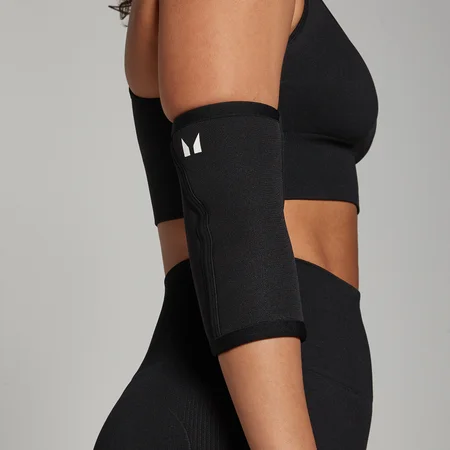
Knee sleeves provide compression and warmth throughout your session. They're useful from warm-ups through working sets for squats, lunges, and leg presses, offering proprioceptive feedback without the specificity of a belt. Many lifters wear sleeves for entire lower body sessions whilst reserving belts for maximal efforts.
How do resistance bands fit into a training programme?
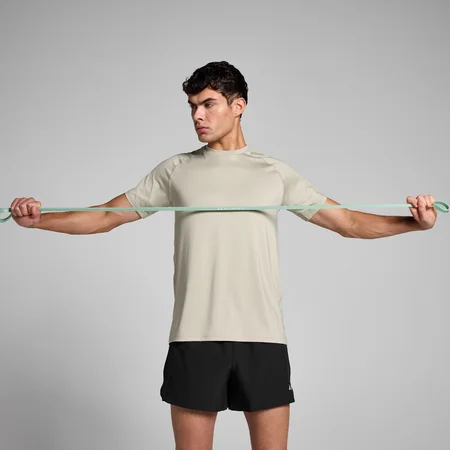
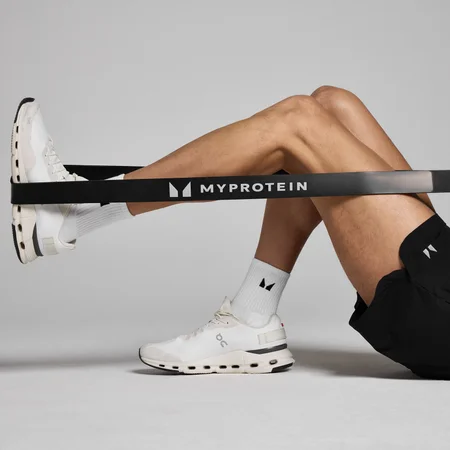
Resistance bands create variable load that increases as you stretch them, matching the natural strength curve of many movements. Use them for warm-up activation work – banded walks fire up glutes before squats, whilst face pulls prepare shoulders for pressing. They're excellent for rehabilitation or deload weeks when you need movement without heavy loading.
Advanced applications include accommodating resistance, where bands attach to barbells to increase load at lockout, or as assistance for difficult bodyweight exercises like pull-ups. Their portability makes them practical for hotel workouts or outdoor training when traditional weight lifting equipment isn't available.
What's the difference between standard shakers and mini shakers?
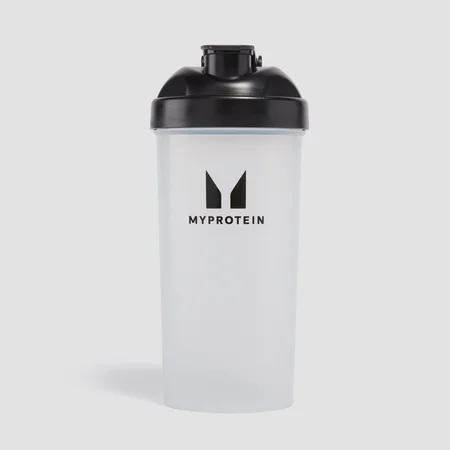
Standard shakers typically hold 600-700ml, accommodating full protein servings with room for liquid and ice. They're ideal for post-workout shakes or meal replacements where you're mixing 30-40g of powder with water or milk. The larger size means better mixing action and space for additions like oats or fruit.
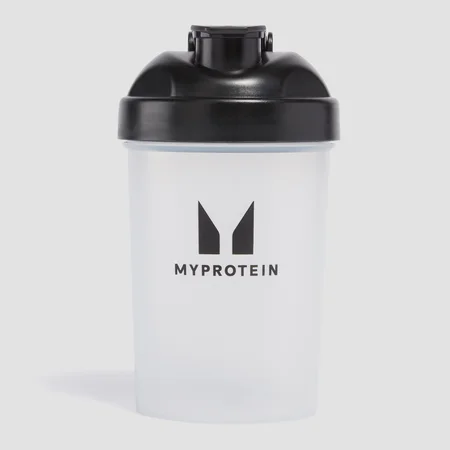
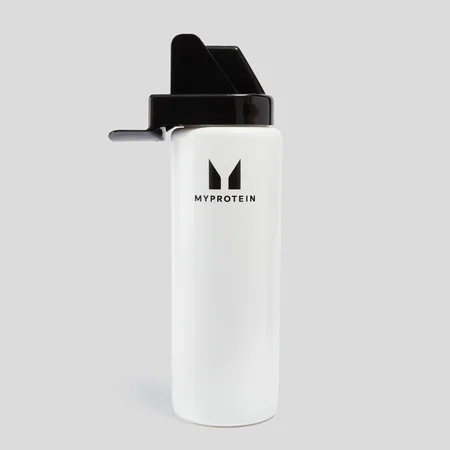
Mini shakers hold around 300-400ml, perfect for quick 20g protein hits between meals or pre-workout supplements with smaller serving sizes. They fit car cup holders and take up less bag space, making them practical for carrying ready-to-mix servings throughout the day. Both include mesh screens for smooth mixing – the choice comes down to serving size and portability needs.
Why use a hydration vest instead of a regular water bottle?
Hydration vests keep water accessible during activities where stopping to drink interrupts performance. Runners covering long distances, outdoor circuit trainers, or anyone doing extended cardio sessions benefits from hands-free access to fluids. The vest distributes weight evenly across your torso rather than creating the imbalance of carrying a bottle.
For gym-based lifting sessions, standard bottles or gallon jugs work fine since you're stationary between sets. Vests become valuable when movement is continuous and you can't afford to break stride for hydration.
How should I incorporate lifting straps into my training?
Lifting straps eliminate grip as the limiting factor during pulling movements. Use them strategically on back exercises like rows, pull-downs, and rack pulls where you want to exhaust the target muscles without grip failure cutting sets short. They're particularly useful during high-rep work or on final working sets after grip has fatigued from earlier exercises.
Avoid using straps on deadlift warm-ups or early working sets – developing natural grip strength matters for overall performance. Save them for situations where grip genuinely becomes the bottleneck preventing you from fully working the intended muscles. This balanced approach builds hand strength whilst allowing complete muscle stimulation when needed.
Who develops Myprotein's training equipment range?
Myprotein's expert product development team designs weightlifting accessories based on real training demands and user feedback. The range focuses on functional pieces that serve specific purposes – from hydration solutions engineered for leak-proof reliability to knee sleeves calibrated for optimal compression without restriction. Each piece of lifting equipment undergoes testing to ensure it meets the practical needs of lifters at different experience levels, from beginners establishing movement patterns to advanced athletes pursuing maximal performance.
What makes quality weightlifting gear worth investing in?
Reliable weight training equipment performs consistently across thousands of uses. Quality lifting straps won't fray after a few heavy sessions, proper knee sleeves maintain compression without losing elasticity, and well-designed shakers actually seal without leaking in your gym bag. This durability means you're not constantly replacing failed gear.
Beyond longevity, quality weightlifting accessories support better training outcomes. A properly constructed belt creates the right surface for effective bracing, whilst resistance bands with consistent tension allow progressive overload. Investing in dependable lifting equipment means fewer workout interruptions and more focus on the training itself.