View All
34 Results
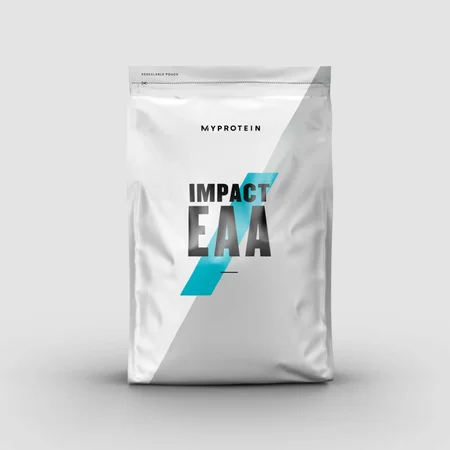
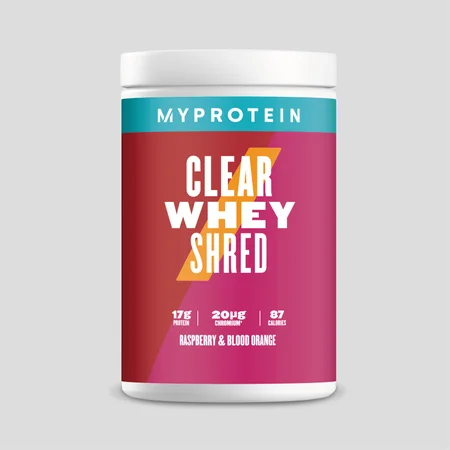
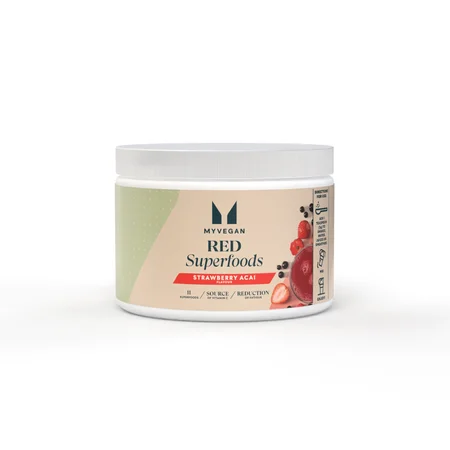
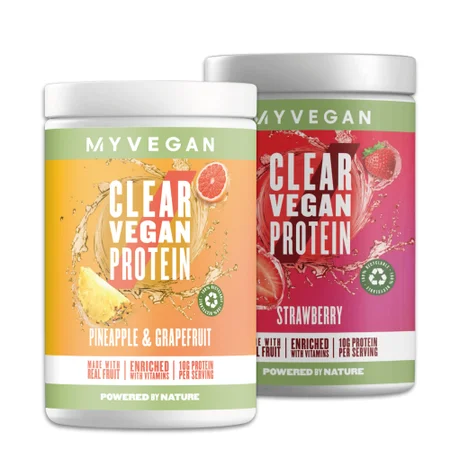
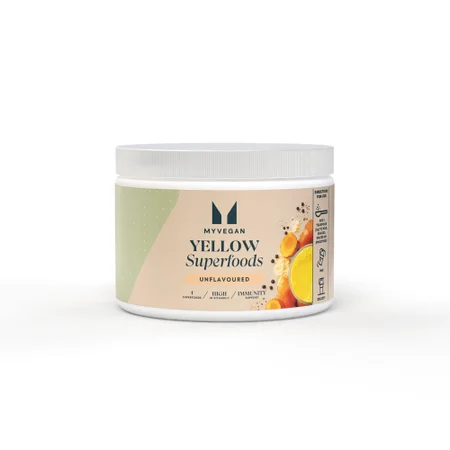
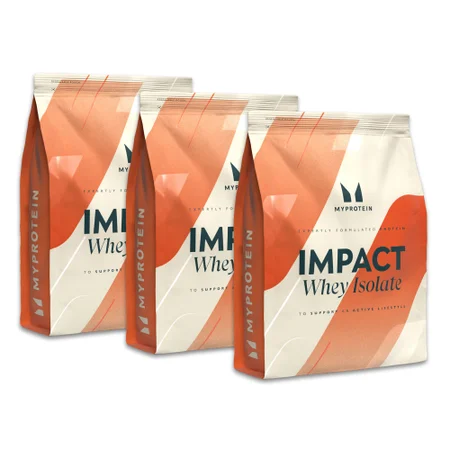
Shop Special Dietary Needs at Myprotein
Finding products that align with your dietary requirements shouldn't mean compromising on quality or choice. Whether you're following a specific eating pattern, managing food sensitivities, or simply looking for options that fit your lifestyle, having access to carefully formulated nutrition makes all the difference.
From plant-based proteins to dairy-free alternatives, gluten-free options to low-sugar formulations, the range of dietary products available today means you can fuel your goals without guesswork. Each product is designed to deliver the nutrition you need while respecting the parameters that matter to you.
Who These Products Are For
These products suit anyone with specific dietary needs, whether you're vegan, lactose-intolerant, gluten-sensitive, or following a low-sugar approach. They're equally valuable for those who simply prefer certain ingredients or want to avoid others, making it easier to stay consistent with your nutrition plan.
Athletes, fitness enthusiasts, and everyday active individuals can all benefit from having options that match their requirements. Having products that fit seamlessly into your routine means you can focus on your training and recovery rather than spending time checking labels and wondering if something works for you.
When to Use Special Dietary Products
Incorporate these products whenever you'd normally use supplements or nutrition support. Protein powders work well post-workout or as part of your daily protein intake, while snacks and meal replacements fit naturally into busy schedules when you need convenient, compliant nutrition.
Many people find it helpful to have a selection of options available, from quick breakfast solutions to recovery shakes and portable snacks. This variety means you're prepared whether you're at the gym, at work, or travelling, without compromising on your dietary requirements.
Benefits of Special Dietary Products
Tailored Nutrition
Products formulated to meet specific dietary requirements mean you get the nutrition you're looking for without ingredients you're avoiding. This takes the guesswork out of supplementation and makes it easier to stay consistent with your eating pattern.
Quality Ingredients
Special dietary products are crafted with carefully selected ingredients that deliver on both nutritional value and taste. Whether you're choosing plant-based protein or dairy-free alternatives, you're getting products designed to perform without compromise.
Convenience and Flexibility
Having access to products that match your dietary needs means you can maintain your nutrition plan anywhere. From powder formats to ready-to-drink options and convenient snacks, these products fit into your routine whether you're at home or on the move.
Wide Range of Options
The variety available means you're not limited to one or two choices. From different protein sources to various flavours and formats, you can find options that suit your preferences while staying within your dietary requirements.
Popular Picks
Looking for versatile protein options? Myprotein Impact Whey Protein, Vanilla, 1kg (AU) - The same creatine monohydrate in convenient tablet form, offering a portable option for those who want the benefits of creatine1 without mixing powders.
FAQs
What are special dietary products?
Special dietary products are formulated to meet specific nutritional needs or preferences, such as plant-based, dairy-free, gluten-free, or low-sugar options. They provide targeted nutrition while excluding or including certain ingredients based on dietary requirements, making it easier to maintain your eating pattern without compromising on quality or convenience.
How do I know which dietary supplements suit my needs?
Start by identifying your specific dietary requirements, whether that's avoiding certain ingredients like dairy or gluten, or choosing plant-based options. Check product labels carefully to ensure they align with your needs. Consider your goals too—protein supplements work differently from meal replacements or energy products.
If you have multiple requirements, look for products that tick all your boxes, such as vegan and gluten-free protein powders. Many products clearly state their suitability on packaging, making it simpler to find options that work for you.
Can dietary nutrition products support fitness goals?
Products designed for specific dietary needs can fit seamlessly into fitness routines. Protein powders, for example, contribute to the growth and maintenance of muscle mass2 regardless of whether they're whey-based or plant-based. The key is choosing products that provide adequate protein and nutrients for your training demands.
Creatine products, whether from animal or synthetic sources, increase physical performance in successive bursts of short-term, high intensity exercise1. The format and dietary compatibility matter less than consistent use and proper dosing.
What's the difference between whey protein and whey isolate?
Whey protein typically contains 70-80% protein by weight, with small amounts of lactose and fat. Whey isolate undergoes additional processing to remove more lactose and fat, resulting in a protein content of 90% or higher. This makes isolate a better option for those with lactose sensitivity.
Both forms contribute to the growth and maintenance of muscle mass2, but isolate offers higher protein concentration per serving and typically digests more easily. The choice often comes down to budget and tolerance rather than effectiveness.
How do I use protein powder with dietary restrictions?
Mix one scoop (typically 25-30g) with 200-250ml of water, milk alternative, or your preferred liquid. Shake well or blend until smooth. You can use it post-workout, between meals, or as part of recipes like smoothies and protein pancakes.
For best results, aim to consume protein throughout the day rather than all at once. If you're using plant-based protein, consider varying your sources across meals to ensure a complete amino acid profile from your overall diet.
Are there vegan options for dietary supplements?
Many supplements are available in vegan formats, including protein powders made from pea, soy, rice, or hemp. Creatine monohydrate is synthetically produced and naturally vegan. Even specialised products like BCAAs and pre-workouts now come in plant-based formulations.
Always check product labels to confirm vegan status, as some supplements may contain animal-derived ingredients in flavourings or capsule shells. Certified vegan products make identification straightforward.
Can I use creatine if I follow a special diet?
Creatine monohydrate is suitable for most dietary approaches, including vegan and vegetarian diets, as it's synthetically produced rather than animal-derived. It's also naturally free from gluten, dairy, and most common allergens, making it compatible with various dietary requirements.
Whether in powder or tablet form, creatine increases physical performance in successive bursts of short-term, high intensity exercise1. The standard dose is 3-5g daily, easily incorporated into shakes or taken with water.
Who develops Myprotein's dietary products?
Myprotein's expert nutritionists develop products to meet various dietary needs while maintaining high nutritional standards. The team considers ingredient quality, taste, mixability, and compatibility with different dietary requirements when formulating each product.
Products undergo rigorous testing to ensure they meet both quality standards and the specific dietary claims on their labels. This includes verification of protein content, absence of allergens where claimed, and compliance with vegan or vegetarian standards.
How many dietary supplements should I take daily?
This depends entirely on your individual nutrition needs and goals. Most people benefit from a quality protein source to help meet their daily protein requirements, especially if their diet makes this challenging. Beyond that, supplements should fill specific gaps rather than replace whole foods.
Consider your diet first—if you're getting adequate protein, vitamins, and minerals from food, you may need minimal supplementation. Athletes or those with restricted diets might benefit from additional products like creatine or specific vitamins, but start with the basics and add gradually based on your needs.
What should I look for in gluten-free dietary products?
Check for clear gluten-free certification or labelling on products. Many protein powders and supplements are naturally gluten-free, but cross-contamination can occur during manufacturing. Dedicated gluten-free facilities provide the safest option for those with coeliac disease.
Beyond the gluten-free claim, evaluate the product for overall quality—protein content, ingredient list, and third-party testing. Gluten-free doesn't automatically mean higher quality, so apply the same standards you would to any supplement.
Are Myprotein's dietary products third-party tested?
Many Myprotein products carry Informed Sport certification, meaning they're tested for banned substances by an independent laboratory. This certification particularly matters for athletes subject to drug testing, but it also provides reassurance about product quality and label accuracy for all users.
Products with this certification display the Informed Sport logo on their packaging. For those without formal certification, Myprotein conducts internal quality testing to verify nutritional content and purity.
1. Creatine increases physical performance in successive bursts of short-term, high intensity exercise.
2. Protein contributes to the growth and maintenance of muscle mass.